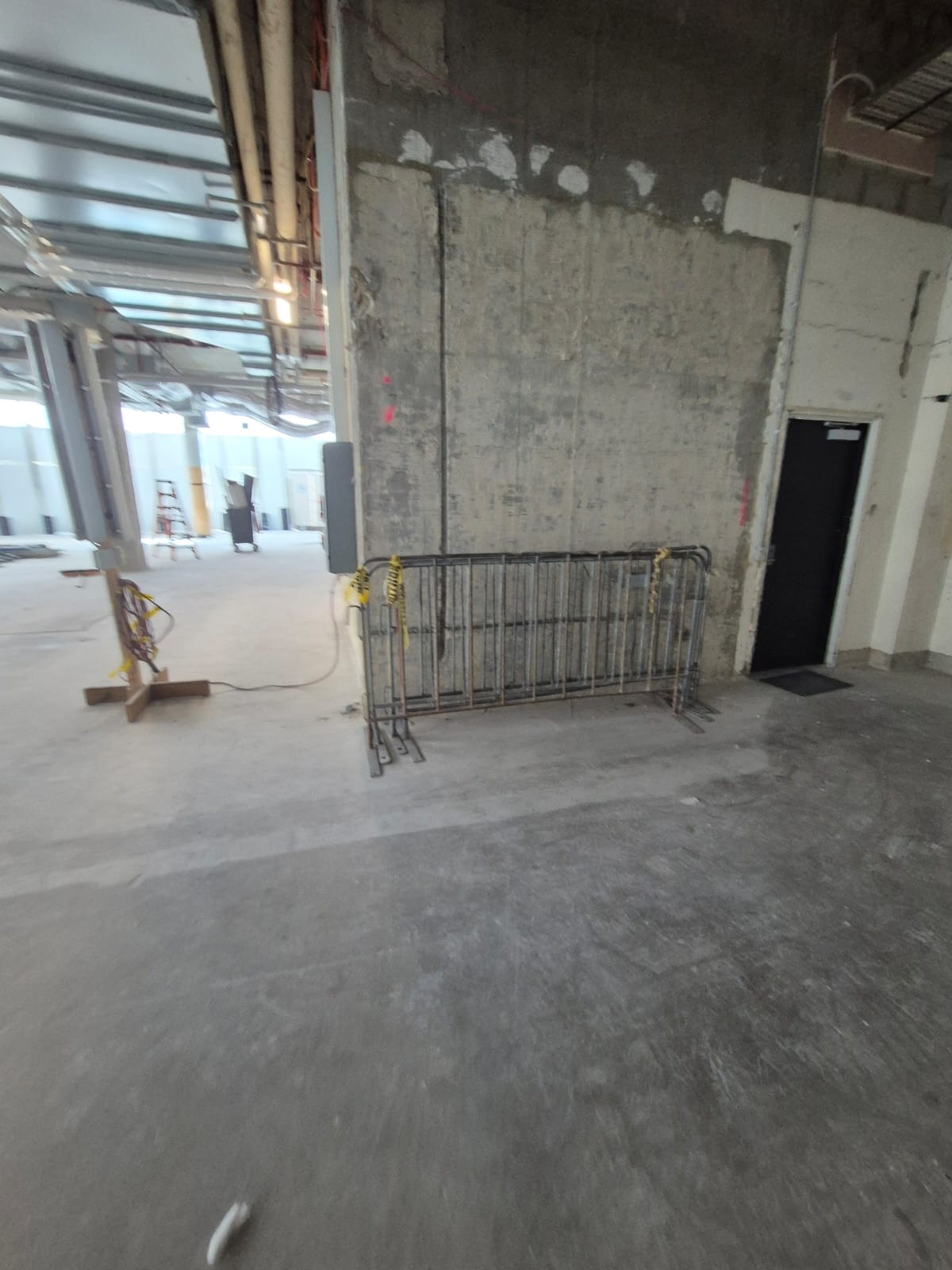
When do you need an office defit? In Perth, the answer usually appears much earlier than people expect. Lease expiry, relocation, refurbishment, or even an insurance event can all trigger defit and makegood obligations. The problem is that many tenants and landlords only think about defit at the end, when time is tight and costs escalate.
This guide breaks down when an office defit is required, how the process works step by step, and what both parties should be watching for to avoid disputes, delays, and unnecessary demolition services.

The Most Common Situations That Trigger an Office Defit
An office defit is typically required at lease expiry, during an early exit, or when a landlord requests reinstatement before reletting. It may also be triggered after major damage where debris insurance is involved, or when an incoming tenant requires the space returned to base build. Understanding when you need an office defit starts with recognising that it is driven by lease conditions, not personal preference.
Step One: Reviewing the Lease and Base Build Conditions
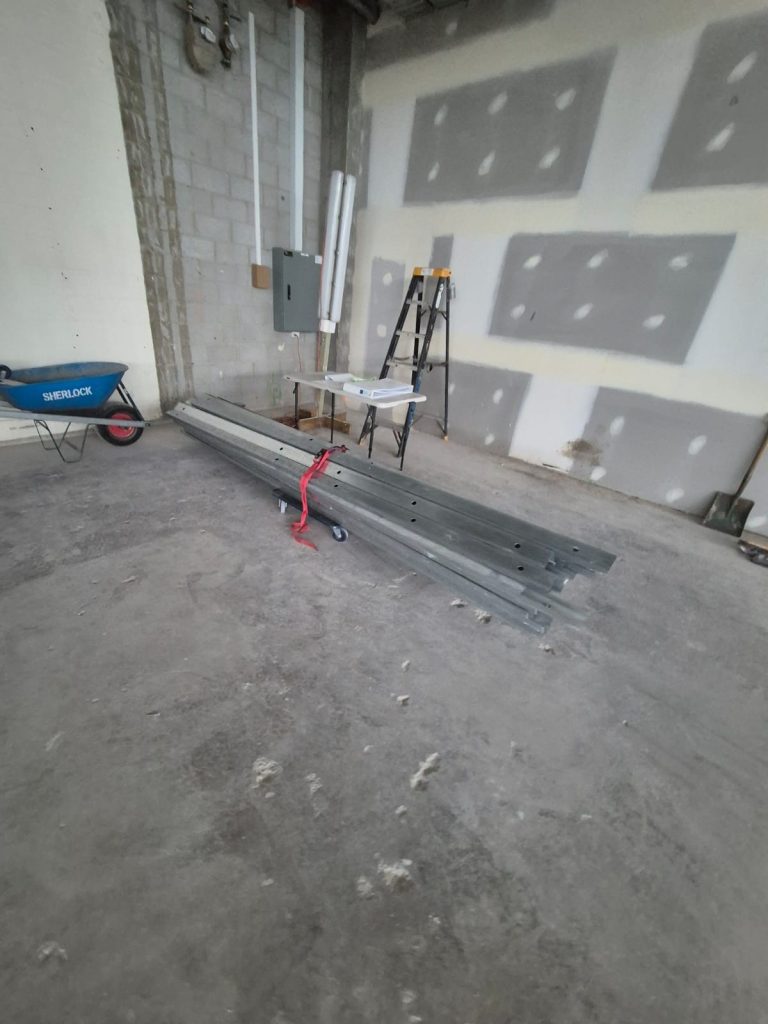
Every office defit begins with the lease. This document defines what must be removed, what condition the space must be returned to, and how final inspections are handled. Base build is often misunderstood. It does not mean empty, it means the condition defined in the lease or original handover. Landlords and tenants who skip this step usually disagree later on scope.
Step Two: Assessing the Existing Fitout and Installed Elements
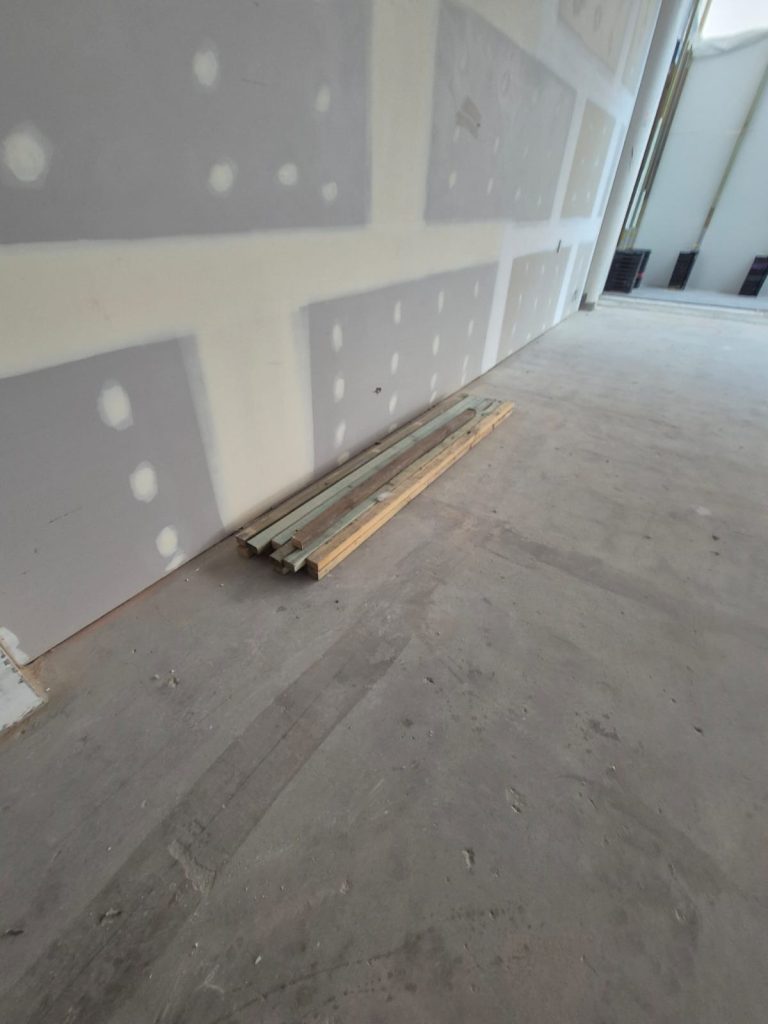
The next step is assessing what was added during occupation. Partitions, ceilings, lighting, data cabling, floor finishes, and joinery are common fitout elements that require removal. How these items were installed determines whether a standard defit service is sufficient or whether demolition services are needed. Fitouts that were designed without removal in mind are slower and more expensive to undo.
Step Three: Identifying Defit Versus Demolition Requirements
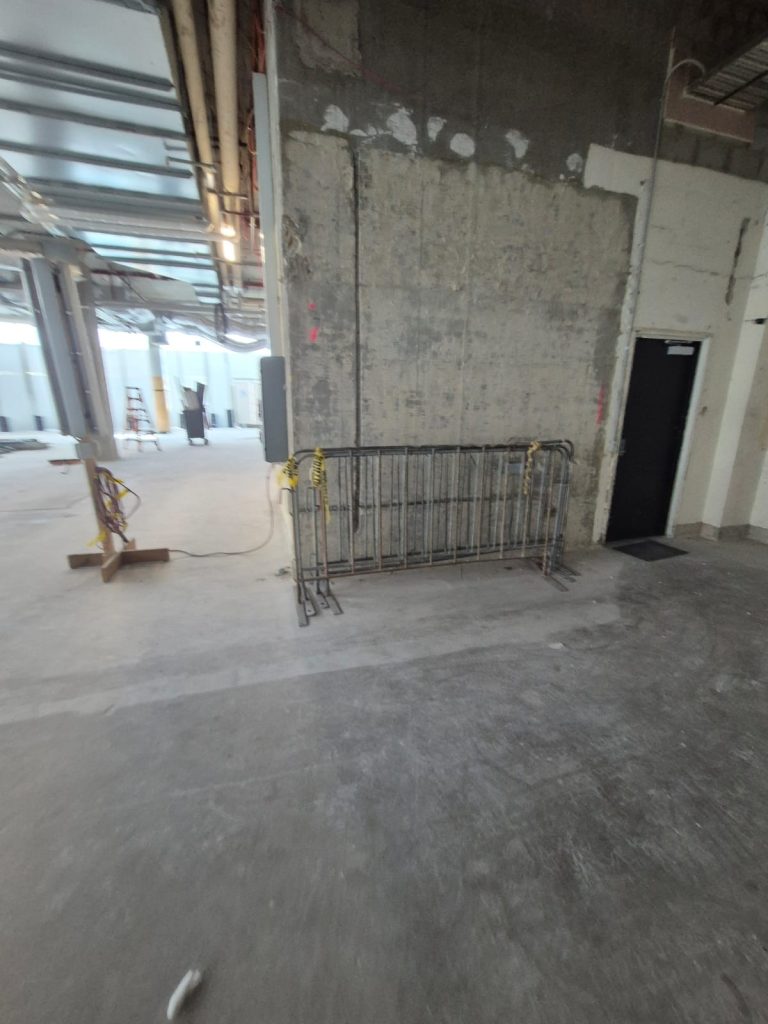
Not all removal work is demolition. Office defit focuses on removing tenant-installed elements while protecting the base building. Demolition services come into play when structural or permanently fixed elements must be removed. Knowing the difference early prevents over-scoping and avoids insurer or landlord disputes.
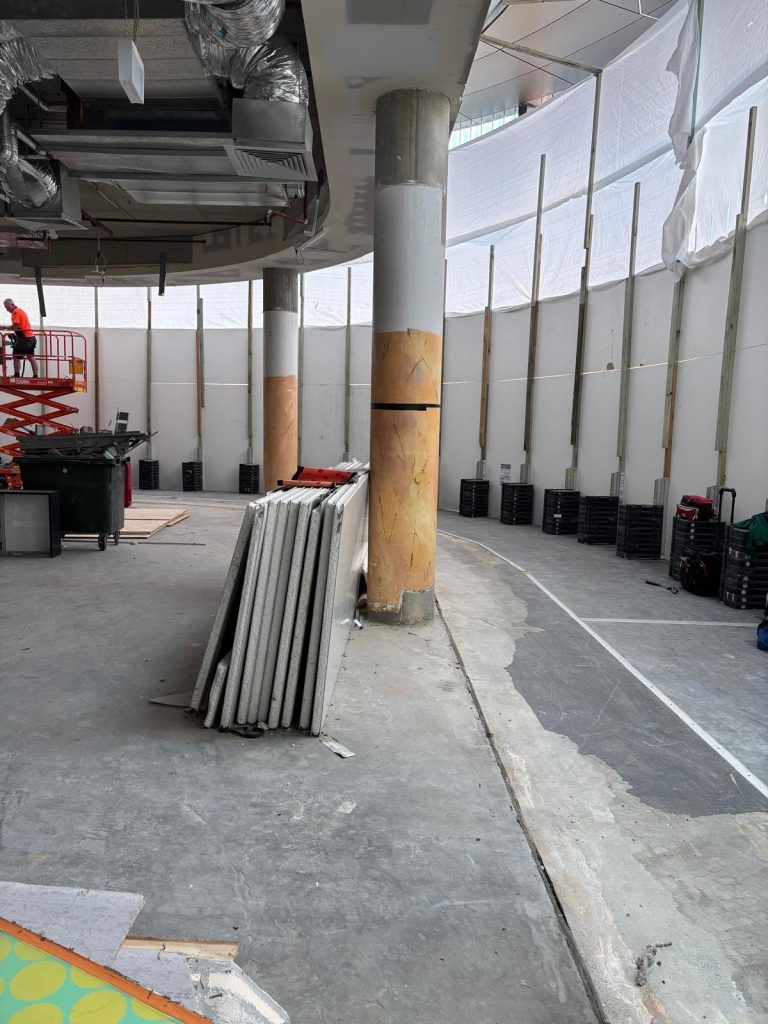
Step Four: Planning the Office Defit Scope and Timeline
Timing matters. Office defits in Perth often involve access restrictions, building manager approvals, noise limits, and lift bookings. The scope should clearly define what is being removed, what remains, and how waste will be handled. Rushed planning leads to failed inspections and rework.
Step Five: Managing Services, Safety, and Compliance
Services isolation is a critical step. Electrical, data, fire, and mechanical systems must be disconnected safely and documented correctly. Compliance failures here are one of the main reasons landlords refuse handover. A professional defit service coordinates these works to ensure safety and certification requirements are met.
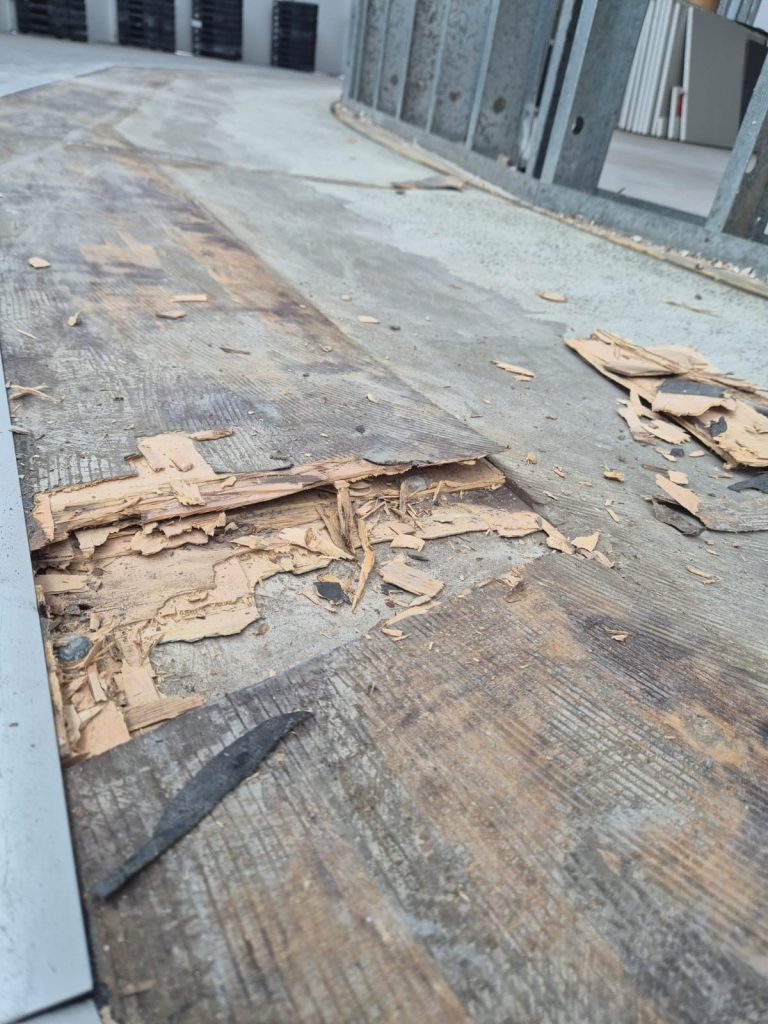
Step Six: Handling Damage, Waste, and Insurance-Related Debris
If the office has suffered damage, debris insurance may apply. This changes the sequence of work. Damaged materials must be documented before removal, and insurers often require approval before debris is cleared. Mixing insurance debris removal with standard defit work without clarity is a common cause of claim delays.
Step Seven: Completing Makegood and Preparing for Final Inspection
Defit and makegood come together at the end of the process. Makegood typically includes repairs, patching, repainting, floor reinstatement, and final cleaning. The goal is not perfection but compliance with the lease. A structured approach ensures the space is inspection-ready the first time.
Office Defit Checklist for Tenants
- Confirm lease exit obligations in writing with the landlord or agent
- Review original fitout scope and approvals
- Identify items to be removed versus retained
- Allow time for services isolation and compliance checks
- Document any damage linked to debris insurance before removal
- Schedule final inspection well before lease expiry.
Office Defit Checklist for Landlords
- Confirm base build expectations early.
- Provide access rules and building requirements upfront.
- Clarify documentation required for handover.
- Inspect progressively rather than only at the end.
- Align makegood expectations with the lease wording.
Common Office Defit Mistakes That Cause Delays or Disputes
Late planning is the biggest issue. Others include assuming base build means bare shell, underestimating fitout complexity, and engaging contractors unfamiliar with commercial defit and makegood processes. These mistakes usually surface during final inspection, when there is little room to fix them.
Perth Scenario: An Office Defit Done Right From Notice to Handover
A Perth CBD tenant issued notice early and reviewed their lease before planning removal works. Their fitout used surface-mounted services and modular partitions, allowing a clean office defit without demolition services. Final makegood was completed ahead of schedule, and the landlord accepted the handover without variation claims. The outcome was driven by preparation, not luck.
FAQs About When You Need an Office Defit in Perth
When do you need an office defit at lease end?
In most Perth leases, defit is required when vacating unless improvements are approved to remain.
Is an office defit always required after damage?
Only where damaged elements must be removed or reinstated under the lease or insurer requirements.
Can fitout decisions reduce defit costs later?
Yes. Fitouts designed for removal significantly reduce labour, waste, and disruption.
Does debris insurance cover office defit work?
Only where the items removed were damaged by an insured event and approved within the claim.
Who is responsible for coordinating defit and makegood?
Responsibility is defined in the lease, but coordination often involves both tenant and landlord to achieve a compliant handover.